
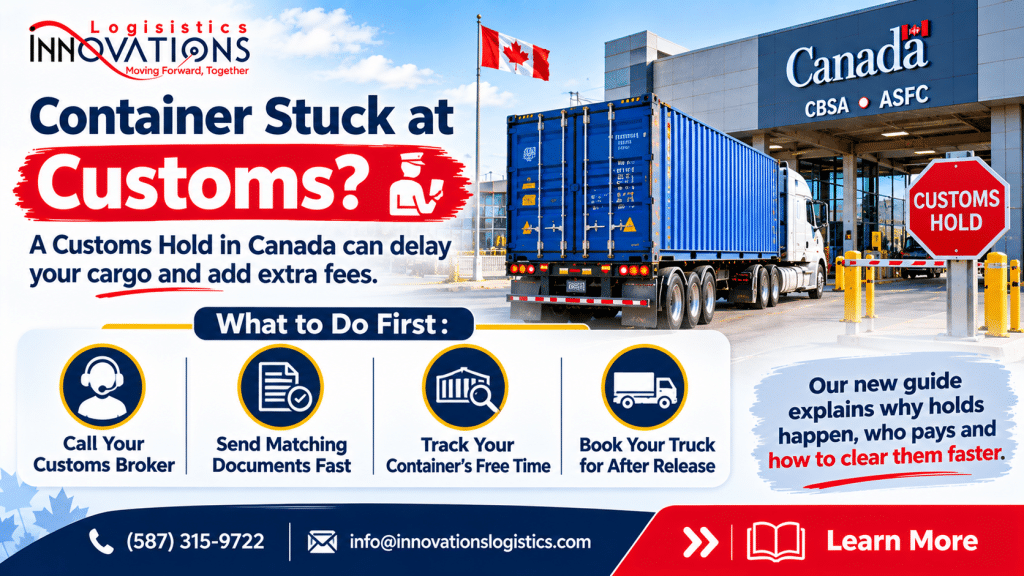
A customs hold in Canada means the Canada Border Services Agency (CBSA) has paused your shipment. Your cargo cannot move until the issue clears. That pause can be short, or it can last for weeks. Either way, it costs time and money.
This guide explains why a customs hold in Canada happens, what it costs, and who pays. You will also learn how to clear a hold step by step and how to prevent the next one.
Quick answer: A customs hold in Canada usually means a document review or a cargo exam. Call your customs broker right away, send every document the CBSA asks for, and track your container’s free time. The CBSA does not charge for the exam itself. However, handling, transport and storage fees often land on the importer.
What Is a Customs Hold in Canada?
A hold is a stop placed on your goods before release. The CBSA or another government department may place it. They want to check that your goods are admissible and that your paperwork matches the cargo.
A hold does not mean you did something wrong. Some holds are random. Others come from a risk check. Still, every hold delays your delivery, so you need a plan.
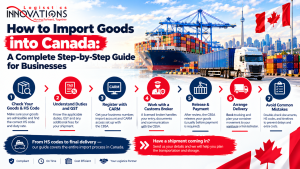
While the hold lasts, goods may sit in a sufferance warehouse. That is a licensed facility for goods held under customs control. Read our guide to how to import goods into Canada for the full process.
Why a Customs Hold in Canada Happens
Most holds have a clear cause. Here are the most common ones.
- The description, value or quantity does not match the invoice.
- The HS code looks wrong for the product.
- A permit, licence or certificate is missing.
- The proof of origin does not support a lower duty rate.
- The cargo data from the carrier is incomplete or late.
- Your importer account or financial security has a problem.
- The CBSA selected the container for a random or risk-based exam.
Some causes are in your control. For example, you can fix the paperwork before you ship. Others, like random exams, you cannot control.
Types of Customs Holds and Exams
Not every hold is the same. The type decides how long it takes and what it costs.
- Document review: An officer checks your invoice, packing list and permits. No one opens the container.
- Dockside exam: Officers open the doors and look at the cargo near the entrance.
- X-ray scan: A scanner checks the contents. Officers may then order a closer look.
- Full exam: The container goes to an exam facility. Workers unload it, officers inspect it, and workers reload it.
- Other agency hold: Another department checks a rule that applies to your product.
CBSA officers use set criteria to pick containers. Industry sources say only a few percent of shipments get examined. Even so, the CBSA can pick any importer.
Is your container on hold? Talk to our team about the move after release. Call (587) 315-9722, email info@innovationslogistics.com, or request a free quote.
How a Customs Hold Works
Most holds follow a similar path. The details change by port and cargo.
- The CBSA flags the shipment.
- Your broker or carrier tells you about the hold.
- The CBSA asks for documents, or it orders an exam.
- For a full exam, the carrier moves the container to an exam facility.
- The CBSA completes the review or the inspection.
- The CBSA releases the goods, asks for more information, or detains them.
- After release, a truck collects the container.
The CBSA gives no status updates on a marine container exam until the container reaches the exam facility. Therefore, your broker is your best source of news.
What a Customs Hold in Canada Costs
The CBSA says it pays for its own officers and equipment. The costs come from the companies that move and handle the goods. Their invoices pass through the shipping line to the importer. The CBSA explains this on its frequently asked questions page.
Typical costs include:
- Moving the container to and from the exam facility.
- Unloading and reloading labour.
- Facility handling fees.
- Storage while the goods wait.
- Lab testing, if officers need it.
- Demurrage, detention and rebooked trucks.
Industry sources have reported wide ranges. A dockside exam may cost a few hundred dollars. A full exam can run from about $3,000 to $7,000 or more. These figures are old and vary by port, so ask your broker for a current quote.
Who Pays for a Customs Hold?
The importer usually pays. According to the CBSA, the importer and the conveyance operator must present the goods and open the container when asked. The facility bills the shipping line, and the line then bills the importer.
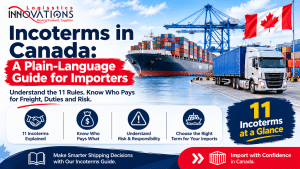
Your contract can move some of that cost. For example, a seller under DDP may carry it. Our guide to Incoterms in Canada explains how trade terms split costs. Our article on the importer of record shows who answers to the CBSA.
Customs Hold in Canada for LCL Cargo
LCL cargo behaves a little differently. An exam on your own pallets usually happens after workers unload the container at the warehouse. That can keep the cost lower.
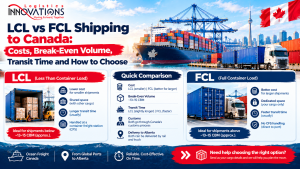
However, the CBSA can still flag the whole container. In that case, the importers in the box usually share the full exam cost. The split often follows cubic metres. Read our guide to LCL vs. FCL shipping to Canada to compare the two options.
Container Fees During a Customs Hold
A hold does not pause your container’s clock. Free time often keeps running. As a result, demurrage, detention and storage can pile up fast.
The CBSA also sets its own time limits for goods in a sufferance warehouse. General goods get 40 days, counted from the day the carrier reports them. Perishables get only 4 days. You can read the rules in CBSA Memorandum D4-1-4.
Also, keep notes on every delay. Dates, emails and gate records help if you need to dispute a fee. Our guide to demurrage and detention charges in Canada explains how those clocks work.
How to Clear a Customs Hold in Canada: Step by Step
Act fast. Each day of delay can add cost. Follow these steps.
Step 1: Find Out What Kind of Hold It Is
Ask your broker or carrier whether it is a document review, an exam or an other-agency hold. Then use the answer to plan your next move.
Step 2: Call Your Customs Broker
Your broker speaks to the CBSA for you. Therefore, they can answer officer questions quickly. Without a broker, the file can stall.
Step 3: Send the Documents Fast
Prepare the commercial invoice, packing list, bill of lading, proof of origin and any permits. Add product details or photos if officers ask. Make sure every document tells the same story.
Step 4: Get a Cost Estimate for the Exam
If officers order a full exam, ask for a fee breakdown. For example, include transport, handling, storage and reload costs.
Step 5: Track Free Time and Storage
Check your last free day and your warehouse time limit every day. Also, if delays are likely, tell your forwarder early.
Step 6: Warn Your Customer and Your Dock
Tell your buyer about the delay. Also move your delivery appointment. That way, a truck does not arrive at a dock that is not ready.
Step 7: Book the Truck for After Release
Line up drayage before the release lands. Then the container leaves the same day. In Alberta, see our guide to drayage in Alberta.
Step 8: Fix the Root Cause
After release, find out why the hold happened. Then correct the HS code, the invoice or the permit process. That prevents the same hold next time.
How to Prevent a Customs Hold in Canada
You cannot stop every exam. However, you can remove most avoidable holds.
- Use accurate HS codes and clear product descriptions.
- Make the invoice, packing list and bill of lading match.
- Check permit rules before you buy.
- Keep proof of origin on file for any trade agreement claim.
- Set up your CARM account and financial security early.
- Give your carrier and forwarder accurate cargo data.
- Use an experienced customs broker.
Our guides to CARM in Canada and how to choose a bonded carrier in Canada can also help. In addition, build buffer days into your plan.
Common Mistakes During a Customs Hold
- Waiting for the CBSA instead of calling your broker.
- Sending late or mismatched documents.
- Ignoring free time and storage limits.
- Skipping the cost estimate for the exam.
- Forgetting to tell the buyer and the dock.
- Booking the truck only after release.
- Not fixing the cause after the hold clears.
Most of these mistakes are easy to avoid. In fact, a calm plan and quick answers save days.
How Innovations Logistics Helps During a Customs Hold in Canada
Your licensed customs broker handles the CBSA filing. Innovations Logistics supports the transport and storage around it. Our drayage team moves containers after release. Our warehousing and transloading gives your cargo a safe place to wait.
We also support bonded shipments for cargo under customs control. In addition, we offer freight forwarding, intermodal service and container storage, rental and repair.
Once your cargo moves, you can track your shipment online. For a closer look at the route to Alberta, read shipping containers from Vancouver or Prince Rupert to Alberta.
Customs Hold in Canada FAQs
What does a customs hold mean?
It means the CBSA or another agency has paused your shipment to review documents or inspect the cargo. The goods cannot move until the hold clears.
How long does a customs hold in Canada last?
It varies. A document review can clear quickly. A full container exam can take days or even weeks, so plan extra time.
Does the CBSA charge for an exam?
The CBSA says it pays for its own staff and equipment. Third-party handling, transport and storage fees can still come to the importer.
Who pays for a customs exam?
The importer usually does. The facility bills the shipping line, and the line passes the cost on. Your contract may shift some of it.
Can I speed up a customs hold?
You can help by sending complete, matching documents fast. Your broker should lead the contact with the CBSA.
Do customs holds stop demurrage?
Generally not. Free time and storage clocks often keep running during a hold. Track them daily and keep records of each delay.
Can an LCL shipment be held?
Yes. The exam on your cargo often happens after unloading, but the CBSA can flag the whole container. The importers may then share the costs.
Do I need a customs broker?
No, but a broker helps a lot during a hold. They know the process and can answer officer questions quickly.
This guide is general information. Ask your licensed customs broker about your own shipment.
Need help moving a held container? Tell us your port, container details and delivery location. Call (587) 315-9722, email info@innovationslogistics.com, or request a free quote today.