
Drayage in Alberta is the short truck trip that takes a container from a rail terminal to your warehouse. It is the last step of most imports, and it often decides whether your cargo arrives on time. If the truck is late, the container sits. Then storage and delay fees can start.
This guide explains how drayage in Alberta works for Calgary and Edmonton importers. You will learn where the main rail terminals are, how a ramp pickup runs, what drives the cost, and how to book with fewer surprises.
Quick answer: Most containers reach Alberta by rail from Vancouver or Prince Rupert. A drayage truck then collects the container at a Calgary or Edmonton terminal and delivers it to you. Book the truck before the train arrives, confirm the release, and plan the empty return. Those three steps prevent most delays.
What Is Drayage in Alberta?
Drayage means short-haul container trucking. In Alberta, it usually starts at a rail terminal, not at a seaport. The truck picks up a loaded container on a chassis. Then it delivers the container to your site or to a warehouse.
After unloading, the driver often returns the empty container to a depot. The shipping line sets that depot. Drayage therefore covers the pickup, the delivery and the empty return.
It differs from long-haul trucking. Drayage trips are short, and they follow strict terminal rules. Our guide to what drayage is covers the basics. Our article on drayage vs. intermodal shows how the two work together.
Why Importers Need Drayage in Alberta
Alberta has no seaport. As a result, imports arrive through the West Coast. Containers then ride a train to Calgary or Edmonton. The train cannot reach your dock, so a truck must finish the trip.
CN introduced container train service from Prince Rupert to Calgary and Edmonton in 2012. In addition, CPKC links Vancouver with Alberta. Our guide to shipping containers from Vancouver or Prince Rupert to Alberta explains the full route.
Main Rail Terminals in Calgary and Edmonton
Most containers move through a few large terminals. Here are the ones importers hear about most.
- CN Calgary Logistics Park: This terminal sits in Rocky View County, near Calgary. The railway lists it as open 24 hours a day.
- CN Edmonton terminal: It is on 184th Street in northwest Edmonton. The railway also lists it as open 24 hours a day.
- CPKC Calgary and Edmonton: CPKC runs intermodal facilities in both cities. Your carrier will confirm which one your container uses.
Hours, gate rules and driver registration can change. Check CN’s intermodal terminals page for current details. Also, ask your drayage partner which terminal your container will use.
Container landing in Calgary or Edmonton? Talk to our team before it arrives. Call (587) 315-9722, email info@innovationslogistics.com, or request a free quote.
How Rail Ramp Pickup Works in Alberta
A ramp pickup follows a clear order. Each step needs the one before it.
- The train arrives, and the terminal unloads your container.
- The carrier sends you an arrival notice.
- Customs and the carrier release the container.
- Your drayage partner books a gate appointment, if the terminal needs one.
- The driver enters the gate and collects the container on a chassis.
- The truck delivers the container to your dock.
- You unload it, and the driver returns the empty to the right depot.
A pickup can take about thirty minutes at a quiet terminal. At a busy one, it can take a few hours. Therefore, plan your delivery window with some room.
What You Need Before the Truck Goes to the Ramp
Terminals will not release a container without the right paperwork. Prepare these items early.
- The container number and the carrier’s release or delivery order.
- Customs release from your broker.
- Your delivery address and the contact for the dock.
- Your receiving hours and appointment time.
- The cargo weight, so the trucker can plan the chassis.
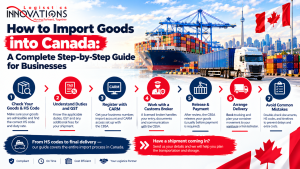
Without a confirmed release, the gate will usually turn the truck away. As a result, you pay for a wasted trip. Our guide to how to import goods into Canada explains the customs side.
What Affects the Cost of Drayage in Alberta
No single price fits every move. Instead, several factors shape the quote.
- The distance from the terminal to your site.
- The container size and weight.
- Fuel costs and any fuel surcharge.
- Chassis use, including daily chassis fees.
- Waiting time at the terminal or your dock.
- Whether you need an after-hours or weekend pickup.
- The empty return location.
Alberta has two main industrial zones. Many distribution centres sit near Balzac and Rocky View, north of Calgary. Others sit near Acheson, west of Edmonton. A site close to the ramp usually costs less to serve. See our guide to drayage costs in Canada for a fuller breakdown.
Extra Charges to Watch For
The base rate is only part of the bill. Extra charges can appear when plans slip.
- Chassis split fees: These apply when the chassis comes from a different site than the container.
- Waiting time: Drivers charge when a dock holds them past the free time.
- Redelivery: A failed first attempt can mean a second trip.
- Storage: Railways and terminals charge when a container stays too long.
- Demurrage and detention: Carriers charge for late pickup or late empty return.
Read our guide to demurrage and detention charges in Canada to understand how the clocks work. Also, ask your provider which charges the quote includes before you book.
Container Size and Weight in Alberta Drayage
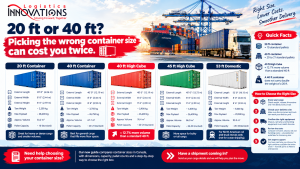
Size matters for the truck and the chassis. A 20 ft container, a 40 ft container and a 40 ft High Cube each need the right equipment. A 53 ft domestic container needs a different chassis again.
Weight matters as well. A container can be within its own rating and still be too heavy for the road. Tell your trucker the real cargo weight before pickup. Our container sizes guide lists dimensions and payloads.
When Transloading Helps With Drayage in Alberta
Some importers cannot receive a full container. Their dock may be small, or they may need smaller deliveries. In that case, the driver can deliver the container to a transload warehouse. Crews then unload the cargo, sort it and store it.
This option frees the container fast. As a result, you avoid extra equipment fees. It also lets you ship pallets to customers in smaller loads. Read our guide to transloading services in Canada to see when it saves money.
Winter Drayage in Alberta
Winter slows every part of the trip. Snow can delay trains and trucks. Cold can freeze doors, yards and docks. Meanwhile, free time keeps running.
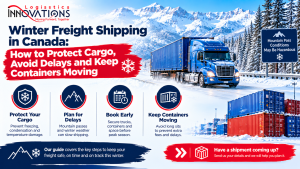
Therefore, add buffer days from November to March. Clear your dock and yard before the truck arrives. In addition, protect freeze-sensitive cargo. Our guide to winter freight shipping in Canada has a full checklist.
Example: A Container From Vancouver to a Calgary Warehouse
Here is a simple example. A Calgary importer buys a container from overseas. The ship docks in Vancouver.
- The container rides a train to a Calgary terminal.
- Meanwhile, the importer’s broker clears the goods with customs.
- Next, the drayage partner books the pickup and collects the container.
- A truck then delivers it to a warehouse near Balzac.
- Finally, the crew unloads it the same day, and the driver returns the empty.
Every step must happen in order. However, the drayage partner can book the truck long before the train arrives. That early booking saves free time.
How to Book Drayage in Alberta: Step by Step
Follow these six steps to book with confidence.
Step 1: Collect the Shipment Details
Gather the container number, the carrier, the terminal and the train or vessel date. Then add the cargo weight and your delivery address.
Step 2: Ask for a Quote Early
Request a quote while the ship is still at sea. Early booking gives you more choice and better timing.
Step 3: Confirm What the Quote Includes
Check for fuel, chassis, waiting time and the empty return. Ask for any exclusions in writing.
Step 4: Confirm Customs and Carrier Release
Do not send the truck until you confirm the release. Otherwise, the gate may refuse the pickup.
Step 5: Set Your Delivery Appointment
Confirm dock hours, labour and equipment. Also check that the yard is clear and safe.
Step 6: Plan the Empty Return
Ask where the empty must go and by when. Late returns can trigger detention.
Common Drayage Mistakes in Alberta
- Booking the truck after the train arrives.
- Sending a truck before you confirm the release.
- Forgetting to check the container weight.
- Leaving the dock unready for the delivery.
- Ignoring the last free day.
- Missing the empty return window.
- Choosing a provider on price alone.
Most drayage in Alberta mistakes are easy to avoid. A clear plan and a quick call can save days.
How to Choose a Drayage Partner in Alberta
Look for a provider that knows the local terminals. Ask these questions before you commit.
- Which Calgary and Edmonton terminals do you serve?
- How do you handle gate appointments and releases?
- Which charges does your quote include?
- What happens if my dock is not ready?
- How will you share updates and delays?
Our guide to how to choose a drayage company in Canada adds more detail. If you also need local trucking, see trucking companies in Edmonton.
How Innovations Logistics Supports Drayage in Alberta
Innovations Logistics offers drayage from ports and rail terminals to your site. Our intermodal service combines rail and trucking. If your dock is not ready, warehousing and transloading gives your cargo a safe place to wait.
We also support bonded shipments for cargo that moves under customs control. In addition, we offer freight forwarding and container storage, rental and repair. Your licensed customs broker files the customs entry, and we support the transport around it.
Once your container moves, you can track your shipment online. To see how rail and trucking fit together, read what is intermodal transportation.
Drayage in Alberta FAQs
What is drayage in Alberta?
It is short-haul container trucking, usually from a rail terminal in Calgary or Edmonton to your warehouse. The driver then returns the empty container to its depot.
Where do containers arrive in Alberta?
Most arrive by rail at terminals near Calgary and Edmonton. Examples include CN’s Calgary Logistics Park, its Edmonton terminal and CPKC facilities.
How early should I book drayage?
Book as early as you can, ideally while the ship is still at sea. Free time starts when the container is available, so early booking protects it.
Do I need a release before pickup?
Yes. The gate will usually refuse a pickup without a confirmed release. Check customs and carrier release before you send the truck.
Who pays chassis and waiting-time fees?
It depends on your quote and your contract. Ask your provider which charges are included before you book.
Can drayage in Alberta run in winter?
Yes, but expect delays on bad-weather days. Add buffer days, clear your dock and tell your provider about freeze-sensitive cargo.
What if my warehouse is not ready?
Use warehousing, transloading or container storage. That way, the container does not sit and collect fees.
How long does a ramp pickup take?
It can take about thirty minutes at a quiet terminal. At a busy terminal, it can take a few hours.
Need drayage in Alberta? Tell us your terminal, container details and delivery location. Call (587) 315-9722, email info@innovationslogistics.com, or request a free quote today.