
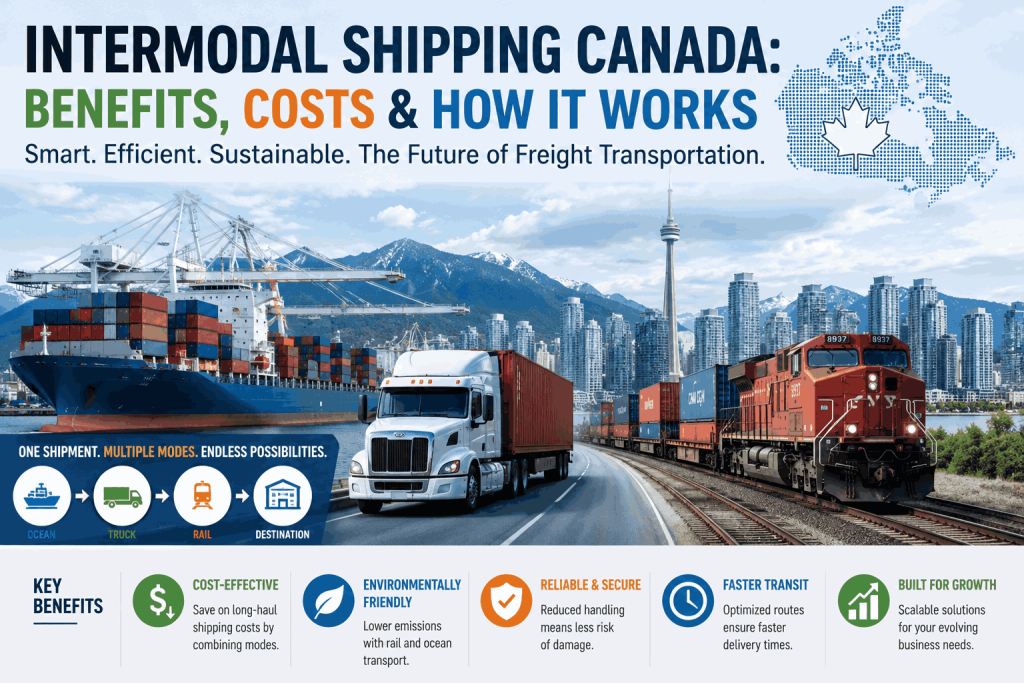
Moving freight across Canada can be expensive, especially when fuel prices rise, and long-haul trucking capacity becomes limited. Businesses need a shipping method that keeps costs under control while maintaining reliable delivery times.
This is where intermodal shipping comes in.
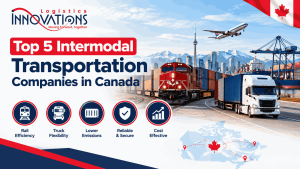
Intermodal shipping combines multiple transportation methods, typically truck, rail, and sometimes ocean freight, to move cargo using the same container throughout the journey. The freight stays in one container, reducing handling, lowering the risk of damage, and improving efficiency.
In this guide, you’ll learn what is intermodal shipping, how it works, its advantages, typical pricing factors, and why many businesses choose intermodal shipping Canada solutions for domestic and cross-border freight.
What Is Intermodal Shipping?
Intermodal shipping moves cargo in a standardized container or trailer that transfers between trucks, trains, and sometimes ships without unloading the freight itself at each handoff point.
That last part is key. The goods stay sealed inside the same container from origin to destination. Only the container moves between modes of transport. This reduces handling time, lowers the risk of damage, and keeps the supply chain moving more predictably.
A simple example: A manufacturer in Toronto ships goods to Vancouver. The cargo is loaded into a 53-foot container at a trucking terminal, driven by a drayage truck to a rail ramp, transported by rail across the country, and then picked up by another truck for final delivery to the warehouse. One container. Three moves. No unloading in between.
In Simple Terms
Intermodal shipping uses multiple transportation modes while keeping freight in the same container from origin to destination.
How Does Intermodal Transportation Work in Canada?
Intermodal freight in Canada typically follows a four-step process:
- Pickup (First-Mile Drayage): A local truck picks up the container from your facility or a port and hauls it to the nearest intermodal terminal or rail ramp.
- Rail Haul: The container is lifted onto a flat railcar and transported by a major rail carrier, CN Rail or CP Rail, to a destination terminal. This is the longest leg of the journey, and where most of the cost savings happen.
- Transfer at Destination Terminal: The container is offloaded at the destination rail ramp.
- Final Delivery (Last-Mile Drayage): A local truck delivers the container from the terminal to the final destination.
Canada’s two national rail carriers, Canadian National (CN) and Canadian Pacific Kansas City (CPKC), operate extensive intermodal networks connecting major cities like Vancouver, Calgary, Winnipeg, Toronto, and Montreal. Both carriers also have cross-border lanes into the United States.
Benefits of Intermodal Shipping for Canadian Businesses
1. Lower Freight Costs
Rail is significantly cheaper than over-the-road trucking on long hauls, typically 10–40% less expensive on lanes over 800 km. For Canadian shippers moving freight coast-to-coast or between provinces regularly, that gap adds up fast.
2. Reduced Driver Shortage Risk
Canada’s trucking industry has been dealing with a driver shortage for years. Intermodal reduces your reliance on long-haul trucking capacity, giving you a more stable option for freight that doesn’t need to move overnight.
3. Better for the Environment
Rail is roughly four times more fuel-efficient than trucking per tonne-kilometre, according to the Railway Association of Canada. If your business has emissions reduction goals or ESG reporting requirements, shifting long-haul freight to intermodal rail is one of the most impactful changes you can make.
4. Improved Cargo Security
Because the container is sealed from origin to destination and handled less frequently, intermodal freight has a lower rate of cargo damage and theft compared to traditional truckload shipments that involve multiple transfers.
5. Scalability During Peak Seasons
Rail networks don’t face the same capacity constraints as trucking during peak shipping periods. Intermodal gives shippers a reliable fallback when trucks are hard to find or rates spike.
Cost of Intermodal Shipping
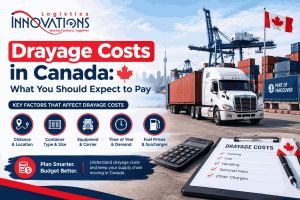
The cost of intermodal shipping depends on several factors:
Cost Factor | Impact on Price |
Lane distance | Longer hauls = more savings vs. trucking |
Container size | 20-ft, 40-ft, 53-ft containers priced differently |
Drayage distance | Pickup/delivery adds cost, especially in rural areas |
Commodity type | Some goods require temperature control or specialized equipment |
Season/demand | Rates fluctuate with market conditions |
Fuel surcharges | Applied by carriers and subject to change |
As a rough benchmark, a domestic intermodal move from Toronto to Vancouver might range from $3,500 to $5,500 CAD, depending on weight, timing, and carrier. Compare that to full truckload rates on the same lane, which can run $6,000 to $9,000+ depending on driver availability.
These numbers shift constantly. If you want an accurate intermodal freight quote for your specific lane and cargo type, our team at Innovations Logistics can walk you through current rates and options.
Is Intermodal Shipping Cheaper Than Trucking?
In many long-haul lanes, yes.
Intermodal transportation can often provide savings compared to full truckload shipping, especially when transit time flexibility exists.
However, for shorter distances, direct trucking may remain the more practical option.
Intermodal Shipping vs. Full Truckload
Intermodal Shipping vs. Full Truckload: Which One Is Right for You?
Features | Intermodal | Full Truckload (FTL) |
Best for | Long hauls (800 km+) | Short hauls, time-sensitive |
Cost | Lower on long distances | Higher on long distances |
Transit time | Slightly longer | Faster door-to-door |
Environmental impact | Lower emissions | Higher emissions |
Capacity availability | More consistent | Tighter in peak seasons |
Cargo flexibility | Standard container freight | Oversized, hazmat, perishables |
The short answer: If you’re shipping freight over long distances and don’t need the fastest delivery time, intermodal shipping can help reduce transportation costs.
Choosing the Right Intermodal Shipping Partner
Not all providers offer the same level of service. When evaluating intermodal shipping services, consider:
- Network coverage across Canada
- Cross-border capabilities
- Real-time shipment visibility
- Container availability
- Rail partnerships
- Customer support experience
- Transit reliability
Choosing an experienced logistics partner can help reduce shipping costs, minimize delays, and improve delivery reliability.
If your business ships freight across Canada or between Canada and the United States, Innovations Logistics can help with your shipping needs. Learn more about our freight services.
FAQ: Intermodal Shipping in Canada
What is intermodal shipping in simple terms?
Intermodal shipping means moving cargo in a single container using more than one type of transportation, for example, truck to rail to truck, without unloading the goods between transfers.
Is intermodal shipping cheaper than trucking in Canada?
On longer hauls (800 km or more), intermodal shipping is typically 10–40% cheaper than full truckload trucking. The savings come from the lower operating cost of rail on long distances.
What are the benefits of intermodal shipping?
Key benefits include lower transportation costs, reduced cargo handling, improved sustainability, greater shipping capacity, and efficient long-distance freight movement.
How much does intermodal shipping cost?
Intermodal shipping costs vary based on distance, container size, freight weight, fuel prices, and origin-destination locations.
How do I get started with intermodal shipping services in Canada?
The easiest first step is to talk to a logistics provider who has established relationships with CN Rail, CPKC, and regional drayage carriers. They can assess your current freight lanes and identify where intermodal makes the most financial sense.
Conclusion
Intermodal shipping isn’t a complicated concept, it’s a practical tool for moving freight smarter across Canada. By combining the reach of trucks with the efficiency of rail, Canadian businesses can lower freight costs, free up capacity, and reduce their environmental impact at the same time.
If you’re moving consistent volumes of freight across long distances and haven’t looked at intermodal yet, now is a good time to start. The savings on even a handful of lanes can make a real difference to your bottom line.
Ready to find out how much intermodal shipping could save your business?
Contact our team for a custom freight assessment and quote.
Learn more about our intermodal shipping services and how Innovations Logistics can help with your transportation needs.