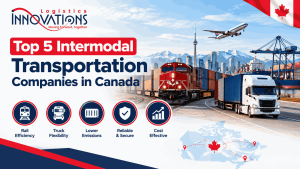

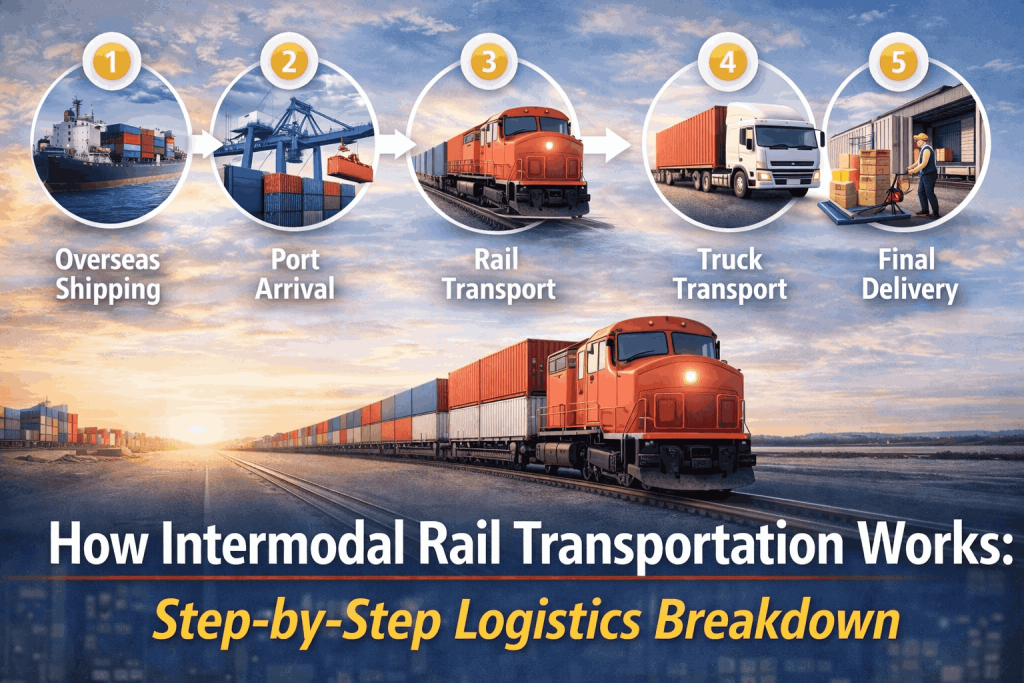
If you’ve ever wondered how goods move efficiently across Canada without skyrocketing shipping costs, the answer often lies in intermodal rail transportation. With rising fuel prices, highway congestion, and growing sustainability concerns, businesses are shifting toward more efficient logistics solutions.
So, what is intermodal rail transportation, and why is it gaining so much traction? Simply put, it combines multiple modes of transport, primarily rail and truck, to move goods in a single container without handling the cargo itself.
In this guide, we’ll break down how intermodal rail works, step by step, so you can understand its process, benefits, and real-world applications in Canada.
What Is Intermodal Rail Transportation?
Intermodal rail transportation is a logistics method where freight is transported using two or more modes, usually trucks and trains, without unloading the cargo from the container. Instead of repacking goods at every stage, the container itself is transferred between transport modes.
Key Features of Intermodal Rail Transport
Single container usage | Goods stay in the same container from origin to destination |
Multi-mode transport | Combines truck and rail transportation |
Reduced handling risk | Less damage due to minimal cargo handling |
Cost efficiency | Rail transport reduces long-distance shipping costs |
Environmental benefits | Lower carbon emissions compared to trucking |
This approach makes rail intermodal transportation a reliable and scalable option for Canadian businesses moving goods across provinces.
Why Intermodal Rail Transport Is Important in Canada
Canada’s vast geography makes the intermodal transportation process essential for efficient freight movement. Moving goods from Vancouver to Toronto or Montreal solely by truck is expensive and time-consuming.
Benefits for Canadian Businesses
- Lower transportation costs for long-haul shipments
- Reduced highway congestion and fuel usage
- Improved delivery reliability during peak seasons
- Enhanced sustainability for eco-conscious brands
Companies like CN Rail and CPKC have heavily invested in intermodal infrastructure, making it easier than ever to adopt this model.
Step-by-Step: How Intermodal Rail Transportation Works
Let’s break down the intermodal rail transportation process into clear, actionable steps.
1. Freight Pickup and Container Loading
The process starts with a truck picking up goods from a shipper’s warehouse. Instead of loading goods loosely, they are packed into a standardized intermodal container or trailer.
What happens here:
- Goods are securely packed and sealed inside a container
- The container is labeled and tracked digitally
- A drayage truck transports it to a rail terminal
This initial stage ensures cargo safety and sets the foundation for smooth transit.
2. Drayage to the Rail Terminal
Drayage refers to the short-distance transport of containers. The truck carries the container from the warehouse to the nearest rail yard or terminal.
Key details:
- Typically covers distances under 100 km
- Requires precise scheduling to avoid delays
- Plays a crucial role in maintaining supply chain flow
3. Container Transfer to Train
At the rail terminal, cranes or lift equipment transfer the container from the truck to a railcar. This is where intermodal rail transport becomes highly efficient.
What happens during transfer:
Arrival at terminal | Container is checked and verified |
Lifting operation | Crane lifts container onto railcar |
Secure placement | Container is locked into position |
Documentation update | Tracking system is updated |
No unloading of goods occurs, which saves time and reduces risk.
4. Long-Haul Rail Transportation
Once loaded, the train carries the container over long distances. This is the core of intermodal rail efficiency. Rail is ideal for long-haul shipping due to its fuel efficiency and ability to carry large volumes.
Why Rail Is Used for Long Distances
- Trains can move one ton of freight over 200 km on a single litre of fuel
- Lower greenhouse gas emissions compared to trucks
- Reduced exposure to road delays and traffic
This makes rail the backbone of Canada’s intermodal transportation process.
5. Arrival at Destination Rail Terminal
When the train reaches its destination city, the container is unloaded from the railcar. Similar to the origin terminal, cranes handle the transfer process.
At this stage:
- Containers are sorted based on delivery locations
- Inspection ensures cargo integrity
- Containers are prepared for final delivery
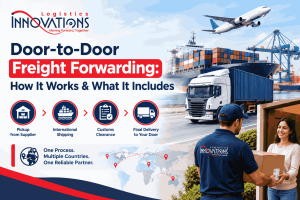
6. Final Delivery (Last-Mile Trucking)
The final step is delivering the container from the rail terminal to the customer. A truck handles this last-mile delivery.
Key points:
- Fast and flexible local delivery
- Ideal for urban and regional distribution
- Completes the door-to-door shipping cycle
Real-World Example in Canada
Imagine a retailer shipping goods from Vancouver to Toronto:
- Goods are loaded into a container in Vancouver
- A truck takes it to a rail terminal
- The container travels by train across provinces
- It arrives in Toronto and is transferred back to a truck
- Final delivery is made to the retailer’s warehouse
This method reduces costs significantly compared to full truckload shipping.
When Should You Use Intermodal Rail Transportation?
Intermodal rail transportation is not always the best choice for every shipment.
Best Use Cases
Long-distance shipping | Rail is cost-effective over long hauls |
Non-urgent freight | Slightly longer transit times are acceptable |
Heavy or bulk goods | Rail handles large volumes efficiently |
Sustainability goals | Lower emissions support ESG initiatives |
If your business aligns with these scenarios, intermodal shipping is a smart choice.
How to Get Started with Intermodal Rail in Canada
Working with an experienced logistics provider simplifies the process. For businesses looking to streamline their supply chain, partnering with experts like Innovations Logistics ensures:
- Seamless coordination between truck and rail
- Real-time shipment tracking
- Cost optimization strategies
- Reliable delivery timelines
FAQs About Intermodal Rail Transportation
1. What is intermodal rail transportation in simple terms?
It is a shipping method where goods move in one container using both trucks and trains without being unloaded.
2. How does intermodal rail work in Canada?
Containers are picked up by trucks, transported by rail for long distances, and delivered by trucks at the destination.
3. Is intermodal rail transport cheaper than trucking?
Yes, especially for long-distance shipments, rail significantly reduces fuel and operational costs.
4. What types of goods are best for intermodal shipping?
Non-perishable, bulk, and heavy goods are ideal for intermodal transport.
5. How long does intermodal rail transportation take?
It may take slightly longer than trucking, but it offers better cost savings and reliability.
Conclusion:
Intermodal rail transportation is transforming how goods move across Canada. By combining the flexibility of trucking with the efficiency of rail, businesses can achieve lower costs, improved sustainability, and reliable delivery.
If your company ships goods over long distances and wants to optimize logistics, now is the time to explore intermodal solutions.
Book a Free Consultation Call today to get a personalized intermodal freight quote and find out exactly how much your business could save on its next shipment.