
Moving goods across borders comes with customs rules, paperwork, taxes, and strict regulations. For many importers and exporters, paying duties immediately or dealing with customs delays can create cash flow and logistics challenges.
This is where a bonded shipment becomes useful.
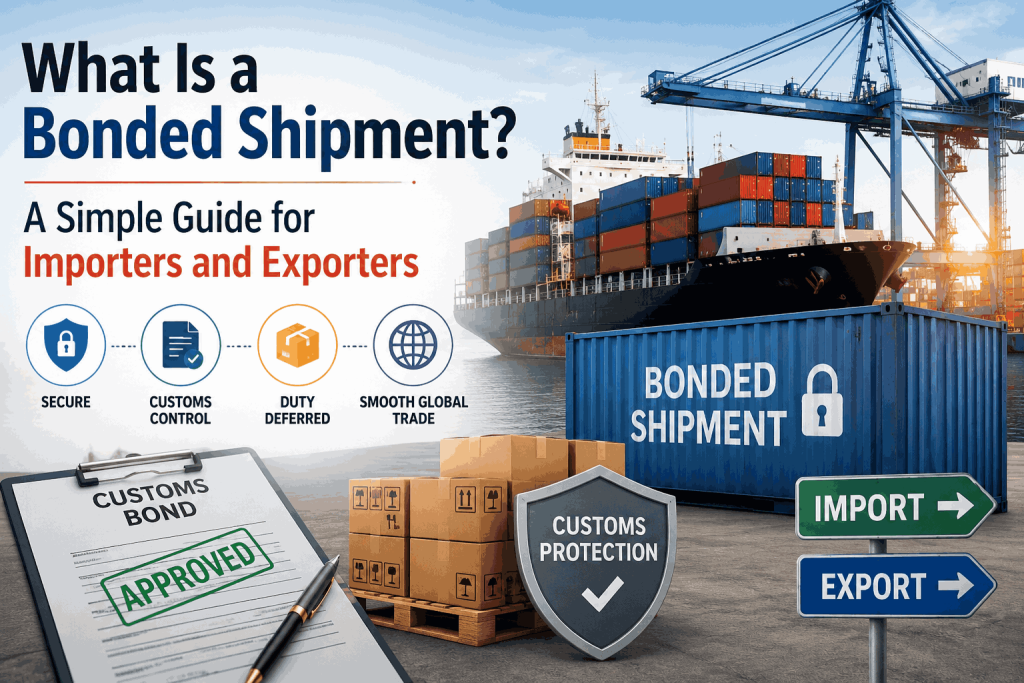
A bonded shipment allows goods to move under customs control before duties and taxes are paid. It gives businesses more flexibility, helps manage costs, and keeps supply chains moving efficiently.
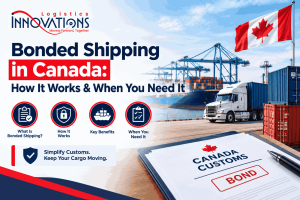
In this guide, you’ll learn what is a bonded shipment, how the bonded shipment process works, the benefits for Canadian businesses, and when bonded freight may be the right choice for your operations.
What Is a Bonded Shipment?
A bonded shipment refers to goods transported under a customs bond, allowing them to move through a country or remain in storage without immediate payment of duties and taxes.
In simple terms, customs authorities permit the cargo to travel from one approved location to another while the payment of import duties is temporarily deferred.
Bonded Shipment Meaning
The bonded shipment meaning is straightforward:
- Goods remain under customs supervision.
- Duties and taxes are not paid upfront.
- The shipment moves using an approved customs bond.
- Customs payment occurs when goods are officially cleared for entry.
This system is commonly used in international trade, cross-border transportation, and temporary storage situations.
How Does the Bonded Shipment Process Work?
The bonded shipment process follows several key steps:
- Cargo Arrives at the Border: The shipment enters Canada through an approved port of entry.
- Customs Documentation Is Submitted. Required documents may include:
-Commercial invoice
-Bill of lading
-Packing list
-Customs declarations
-Import permits (if required) - Customs Bond Is Applied: A customs bond guarantees payment of duties and taxes when the shipment reaches its approved destination.
- Freight Moves Under Bond: The cargo is transported by a licensed carrier to:
-A bonded warehouse
-A customs sufferance warehouse
-Another approved customs facility - Customs Clearance Is Completed: Once the shipment reaches its destination, customs officials review the documentation and release the goods after all requirements are satisfied.
What Is the Purpose of a Bonded Shipment?
The purpose of a bonded shipment is to allow goods to move or be stored under customs control without immediate payment of duties and taxes. This helps businesses improve cash flow, reduce border delays, and complete customs procedures at an approved location.
Bonded Shipping Canada: How It Works
In Canada, bonded shipping plays an important role in international trade.
Importers often use bonded transportation when goods arrive at a border crossing but need to be moved to another location before customs clearance is completed.
Common examples include:
- Freight arriving at Canadian ports
- Cross-border shipments from the United States
- Goods moving to inland customs facilities
- Cargo stored in bonded warehouses
- Products awaiting final customs release
For businesses involved in importing and exporting, bonded shipping Canada offers greater flexibility when managing inventory and customs obligations.
Benefits of Using Bonded Shipments
Many importers and exporters choose bonded shipping for its operational advantages.
- Improved Cash Flow: Businesses can delay duty and tax payments until goods are ready for release.
- Faster Cargo Movement: Shipments can continue moving to approved destinations instead of waiting for immediate customs clearance at the border.
- Flexible Storage Options: Goods can be stored in bonded facilities while businesses finalize paperwork, inspections, or sales arrangements.
- Better Supply Chain Management: Companies gain more control over inventory and customs timing.
- Reduced Border Congestion: Moving goods under bond helps avoid unnecessary delays at busy entry points.
Bonded Shipment vs Non-Bonded Shipment
Understanding the difference helps businesses choose the right shipping method.
Bonded Shipment | Non-Bonded Shipment |
Duties paid later | Duties paid immediately |
Goods move under customs control | Goods cleared at arrival |
Can be stored in bonded facilities | Released directly after clearance |
Suitable for complex imports | Suitable for straightforward imports |
Greater flexibility | Faster final release after payment |
Real-World Example
A Toronto-based importer receives a container of electronics through the Port of Vancouver.
Instead of paying duties immediately, the shipment moves under bond to a customs-approved warehouse in Ontario.
The importer stores the products while preparing distribution plans and completing documentation.
Once customs requirements are finalized, duties are paid, and the goods are released into the Canadian market.
This approach helps the company manage cash flow while keeping inventory available for future orders.
Choosing a Bonded Shipping Partner
Businesses that regularly move freight under customs bond often work with experienced logistics providers to avoid delays and compliance issues. At Innovations Logistics, we help importers and exporters manage bonded freight transportation, cross-border shipping, and customs-related logistics across Canada.
Frequently Asked Questions
What is a bonded shipment?
A bonded shipment is cargo transported under a customs bond, allowing goods to move without immediate payment of duties and taxes until customs clearance is completed.
What is the bonded shipment meaning in logistics?
The bonded shipment meaning refers to freight that remains under customs control while moving between approved locations under a financial guarantee known as a customs bond.
How does the bonded shipment process work?
The process involves customs documentation, bond approval, transportation under customs control, and final customs clearance before goods are released.
Is bonded shipping legal in Canada?
Yes. Bonded shipping is a standard and widely used customs procedure that helps businesses move freight efficiently while meeting Canadian customs requirements.
What are the benefits of bonded freight?
Benefits include deferred duty payments, improved cash flow, faster border movement, customs compliance, and greater flexibility for importers and exporters.
Conclusion
Understanding what is a bonded shipment is important for any business involved in international trade. A bonded shipment allows goods to move under customs control while delaying duty and tax payments until final clearance.
For importers and exporters, bonded transportation can improve cash flow, reduce border delays, and simplify cross-border logistics operations. As trade between Canada and international markets continues to grow, bonded shipping remains an important tool for efficient freight movement.
If your business regularly imports or exports goods, working with an experienced logistics provider can help ensure every bonded shipment moves smoothly from origin to destination. Contact Us, Innovations Logistics, and learn more about our bonded shipment services, cross-border transportation, and customs-supported shipping solutions.