

Logistics is one of the largest operational expenses for import and export businesses in Canada. From freight charges and fuel surcharges to warehousing and customs clearance, costs can quickly add up, reducing profit margins.
If you’re struggling with rising transportation costs, inefficient shipping routes, or high warehousing fees, you’re not alone. Many Canadian businesses face similar challenges.
The good news? There are proven logistics cost reduction strategies that can significantly lower your expenses while improving supply chain efficiency.
In this guide, you’ll learn how to reduce logistics costs for import and export businesses in Canada using practical, real-world strategies that companies are already using successfully.
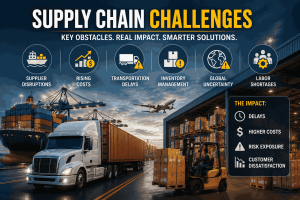
Why Logistics Costs Are Rising in Canada
Before learning how to reduce logistics costs, it’s important to understand why they’re increasing.
Some key factors include:
- Rising fuel prices
- Cross-border regulations and customs procedures
- Limited trucking capacity
- Labor shortages in warehousing and transport
- Increasing demand for faster delivery
For Canadian importers and exporters, these challenges can increase supply chain expenses if logistics operations are not optimized.
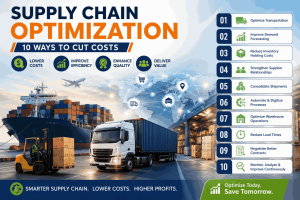
1. Optimize Your Shipping Routes and Transportation Modes
One of the easiest ways to reduce logistics costs in Canada is by improving your shipping routes and selecting the right transportation mode. Many companies overspend simply because they rely on inefficient routes or expensive shipping methods.
Compare Transportation Options
Consider the cost differences between:
- Air freight – Fast but expensive
- Truck freight – Best for domestic deliveries
- Rail transport – Cost-effective for long distances
- Ocean freight – Ideal for international bulk shipments
For example, switching some shipments from air freight to ocean freight can cut shipping costs by up to 70% for non-urgent goods.
Use Route Optimization Tools
Modern logistics software can help you:
- Identify shorter routes
- Reduce fuel consumption
- Avoid traffic delays
- Improve delivery timelines
These tools can dramatically improve supply chain cost reduction over time.
2. Consolidate Shipments
Shipment consolidation is one of the most effective logistics cost reduction strategies for importers and exporters. Instead of sending multiple small shipments, combine them into one larger shipment.
Benefits of Freight Consolidation
- Lower cost per unit shipped
- Reduced handling fees
- Fewer customs clearance charges
- Better container utilization
For example, businesses importing goods into Canadian ports like Vancouver or Montreal often save thousands annually by switching to full container load (FCL) shipments instead of less-than-container load (LCL).
3. Work With Reliable Freight Forwarders
Experienced freight forwarders can help businesses reduce shipping costs and simplify international logistics. For Canadian importers and exporters, working with the right logistics partner can significantly improve supply chain efficiency while lowering transportation expenses.
At Innovations Logistics, we have 10+ years of experience helping Canadian businesses manage import and export shipments more efficiently. Our team works closely with clients to streamline logistics operations and identify cost-saving opportunities across their supply chains.
A good freight partner can:
- Negotiate better carrier rates
- Optimize shipping schedules
- Handle customs documentation
- Prevent costly delays at borders
In Canada, cross-border shipping with the U.S. requires precise documentation. As an experienced logistics provider, we help our clients ensure compliance with regulations from the Canada Border Services Agency (CBSA) while managing the paperwork and coordination needed for smooth border crossings.
How Freight Forwarders Reduce Costs
Freight forwarders reduce logistics expenses by leveraging industry expertise and established carrier networks.
We do this by using:
- Volume-based shipping discounts through our carrier partnerships
- Strong relationships with trusted transportation providers
- Advanced logistics networks and shipment coordination
At Innovations Logistics, we use our industry experience and carrier network to find the most cost-effective and reliable shipping solutions for our clients. This often results in lower shipping rates, fewer delays, and more efficient logistics operations than businesses can typically achieve on their own.
4. Improve Inventory Management
Poor inventory management often leads to higher logistics costs. When inventory levels are not optimized, businesses may experience:
- Emergency shipments
- Excess storage costs
- Overstocking
- Stockouts
Strategies for Better Inventory Control
- Implement just-in-time (JIT) inventory
- Use inventory management software
- Forecast demand accurately
- Maintain optimal safety stock levels
Better inventory planning reduces expensive last-minute shipping and improves overall supply chain efficiency.
5. Reduce Warehousing Costs
Warehousing expenses can represent a large portion of logistics costs, especially in major Canadian cities like Toronto and Vancouver.
Ways to Lower Warehousing Costs
- Use third-party logistics providers (3PL)
- Optimize warehouse layout
- Automate picking and packing
- Reduce slow-moving inventory
Outsourcing to a 3PL provider can often lower costs because they already have established infrastructure and distribution networks. This approach is especially useful for small and medium-sized import/export businesses that cannot afford large warehouse facilities.
6. Use Technology to Improve Supply Chain Efficiency
Technology plays a major role in modern logistics cost reduction. Companies using advanced logistics tools often reduce operational expenses by 15–30%.
Useful Logistics Technologies
- Transportation Management Systems (TMS)
- Warehouse Management Systems (WMS)
- Real-time shipment tracking
- AI-based demand forecasting
These tools help businesses monitor shipments, reduce delays, and make smarter supply chain decisions.
7. Negotiate Better Carrier Contracts
Many businesses overlook one of the most powerful ways to reduce logistics costs: carrier negotiation. Shipping companies often provide discounts based on:
- Shipment volume
- Long-term contracts
- Flexible delivery schedules
- Off-peak shipping
Tips for Better Freight Rates
- Compare multiple carriers
- Bundle shipments for volume discounts
- Review contracts annually
- Avoid peak season shipments when possible
Even a 5–10% reduction in freight rates can significantly impact your annual logistics budget.
8. Minimize Customs Delays and Compliance Issues
Customs delays can lead to unexpected costs such as:
- Storage fees
- Demurrage charges
- Late delivery penalties
For Canadian import/export businesses, proper documentation is essential.
Important Documents for Canadian Trade
- Commercial invoice
- Bill of lading
- Certificate of origin
- HS codes for product classification
Ensuring compliance with customs regulations helps prevent costly disruptions in your supply chain.
Frequently Asked Questions (FAQ)
1. What is the best way to reduce logistics costs in Canada?
The most effective way is to combine strategies such as shipment consolidation, route optimization, freight negotiation, and logistics technology.
2. How can small businesses reduce shipping costs?
Small businesses can lower costs by:
- Using third-party logistics providers (3PL)
- Consolidating shipments
- Comparing multiple carriers
- Optimizing packaging
3. Does working with a freight forwarder reduce logistics costs?
Yes. Freight forwarders often secure better shipping rates, faster transit times, and fewer customs delays, which lowers overall logistics expenses.
4. What technologies help reduce supply chain costs?
Common technologies include:
- Transportation Management Systems (TMS)
- Warehouse Management Systems (WMS)
- Real-time tracking tools
- AI forecasting software
5. Why are logistics costs high in Canada?
Costs are higher due to:
- Large geographic distances
- Fuel prices
- Cross-border regulations
- Labor shortages
Optimizing supply chain operations helps mitigate these expenses.
Final Thoughts: Start Reducing Your Logistics Costs Today
Reducing logistics costs for import and export businesses in Canada requires a strategic approach to transportation, warehousing, and supply chain management.
By implementing strategies such as:
- Shipment consolidation
- Freight optimization
- Technology adoption
- Inventory management improvements
You can significantly improve operational efficiency and protect your profit margins. Businesses that actively optimize logistics operations often gain a competitive advantage in international trade.
Take Action
Start by reviewing your current logistics strategy and identifying areas where costs can be reduced. Even small improvements in shipping, warehousing, or carrier negotiations can deliver major long-term savings.